The main points
- A wide stretch of coarse white sand on the northern end of the island, named for the shells found in it.
- An enclosed cove reached down steps through rock, with cliffs on both sides and very little of it.
- Neither involves an entrance fee on this tour, unlike Crystal Cove and Magic Island.
- Open water and some surf at Puka, sheltered and calm inside the cove at Balinghai.
What Puka Beach is
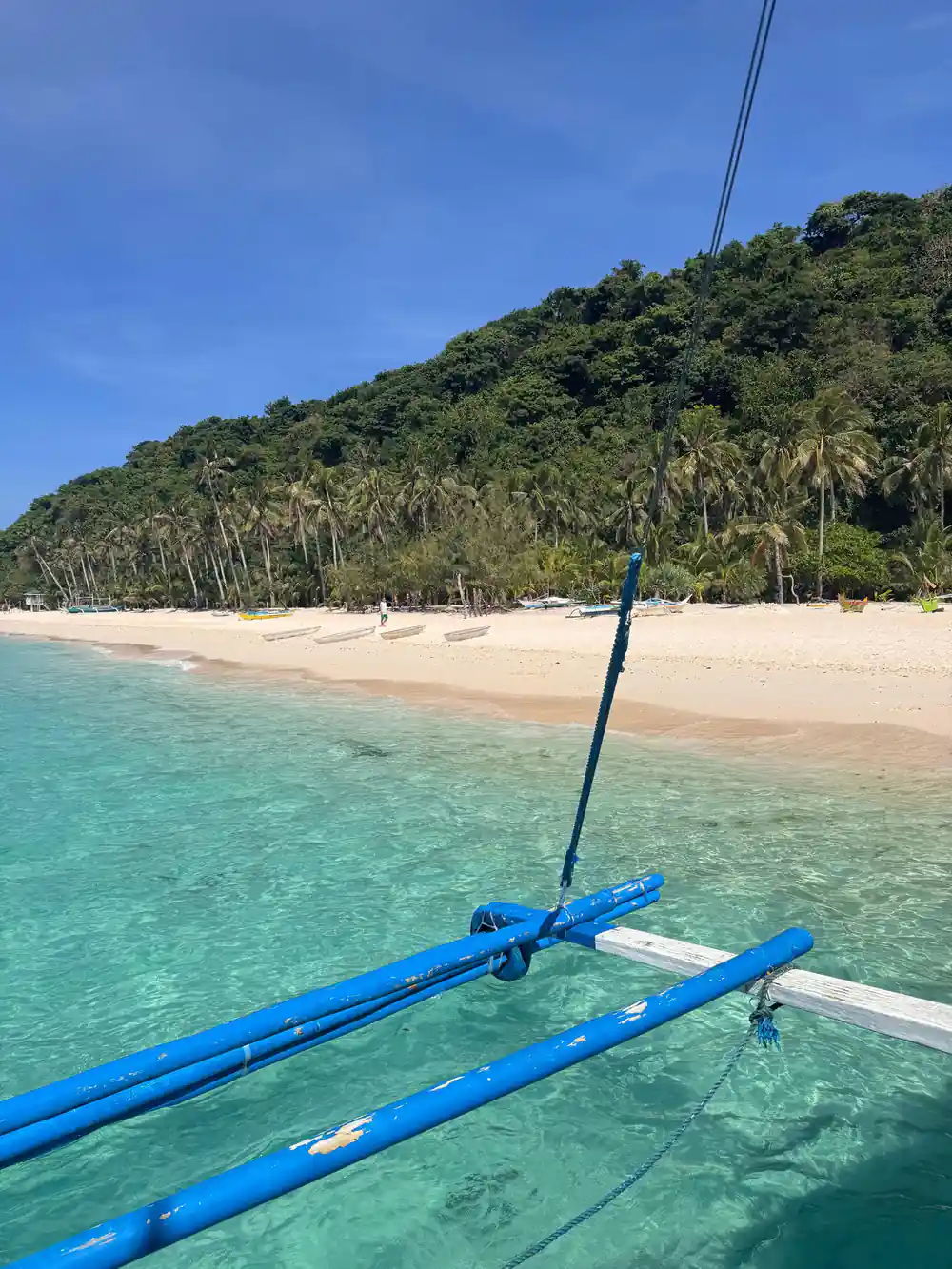
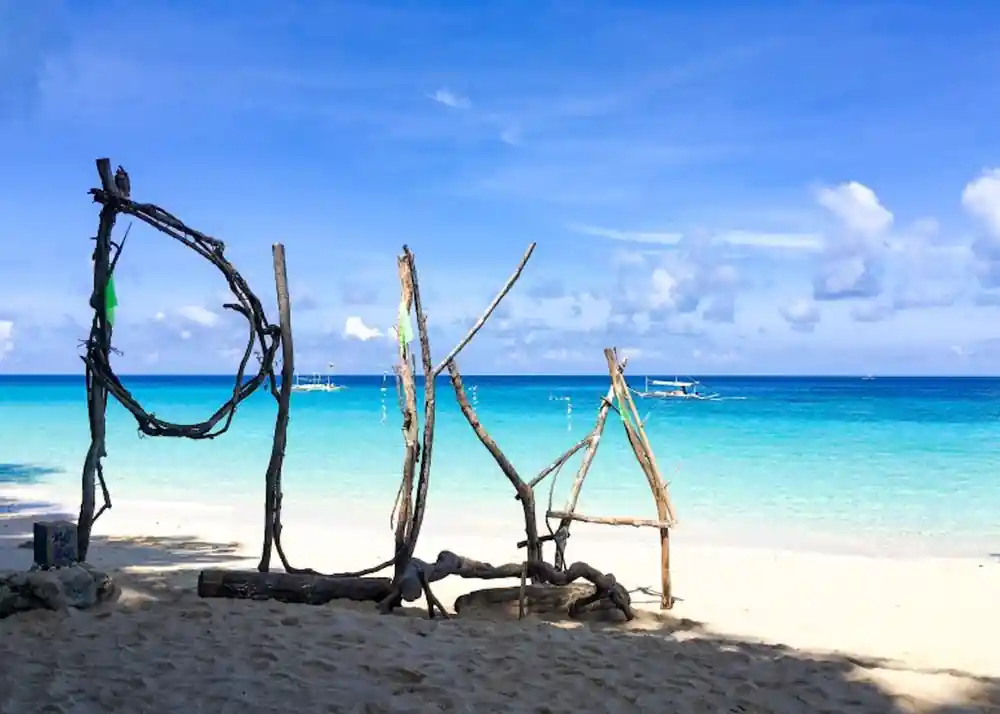
The second longest beach on Boracay, running along the northern end of the island, and the one that feels furthest from the resorts. Where White Beach is fine white powder backed by hotels and bars, Puka is coarse and open with very little built on it.
The name comes from the puka shells found in the sand: small white cowrie shells with a natural hole through them, collected and strung as necklaces. Enough of them are worked into the sand that the beach is flecked with fragments.
That coarser texture is the whole character of it. Underfoot it is shell and broken coral as much as sand, which is less comfortable to lie on and considerably more interesting to look at. Locals still walk it looking for whole shells, which tells you the supply has not entirely run out.
White sand beach Boracay: how it differs from the strip
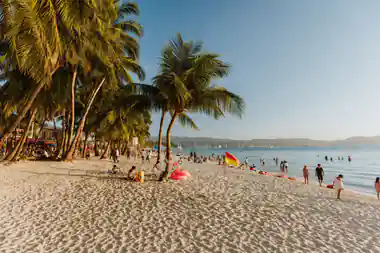
White Beach on the west side is what Boracay is famous for and it is genuinely extraordinary sand. It is also lined with resorts, restaurants, bars and several thousand people at any given hour.
Puka has almost none of that. A handful of stalls, some boats drawn up, and a long stretch of open shoreline with the sea running straight in from the north.
For most visitors the two beaches are complementary rather than competing with each other. White Beach is where you spend the evening; Puka is the day you spent on a boat getting away from it.
Why is it called Puka Beach
For the shells. Puka is a Hawaiian word meaning hole, applied to the small naturally perforated shells that made puka necklaces a global fashion in the nineteen seventies.
Boracay supplied a great deal of that trade, and this beach was where the shells came from. The industry has long since faded, but the name and the shell fragments in the sand both remain.
It is a small piece of economic history sitting under your feet for the length of the stop, which is a good deal more than most beaches anywhere in the world can offer a visitor. Very few beaches are named after an export industry that reached the other side of the world and then stopped.
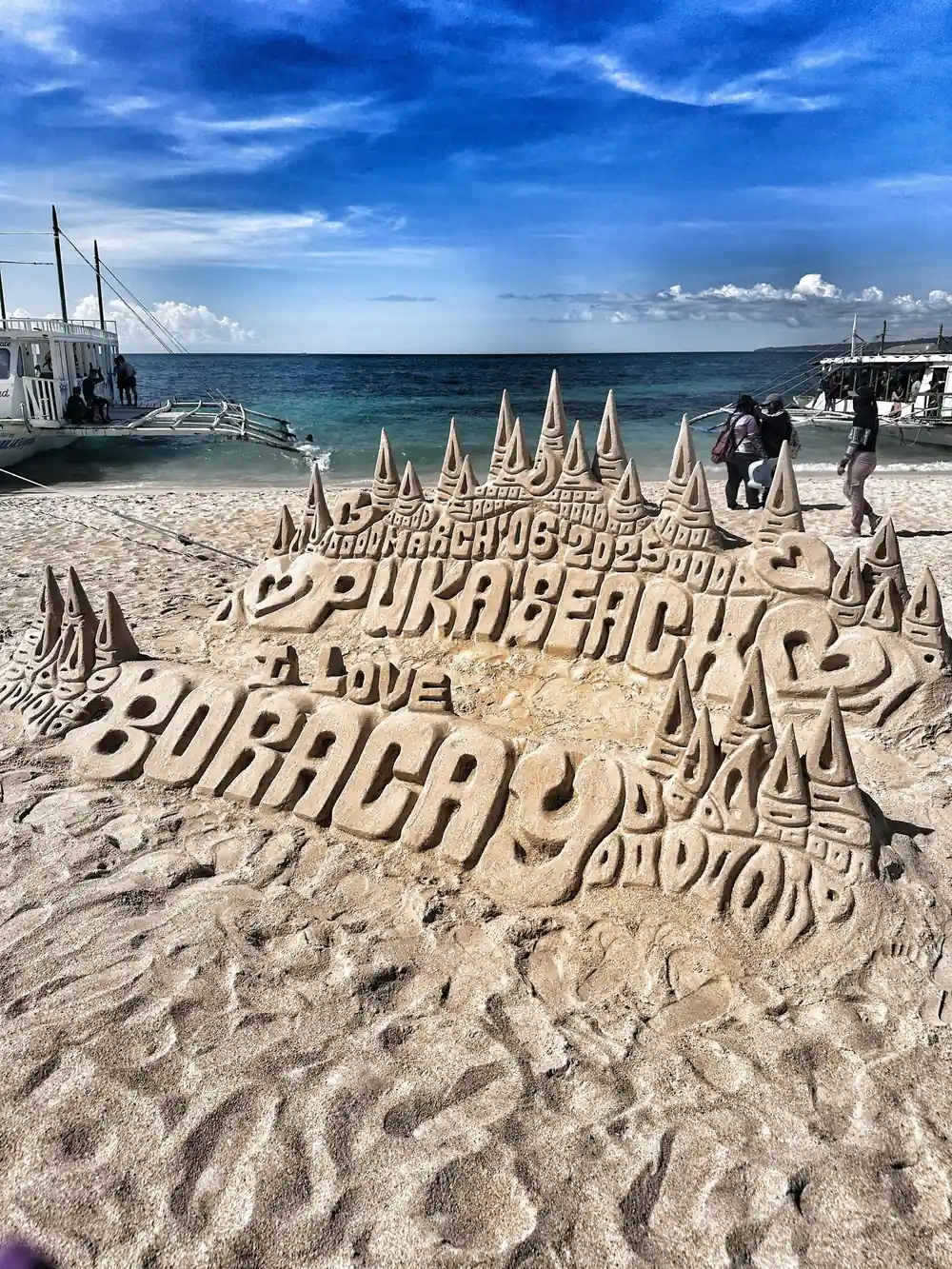
The long open sweep of white sand at Puka Beach with the boats offshore
What Balinghai is
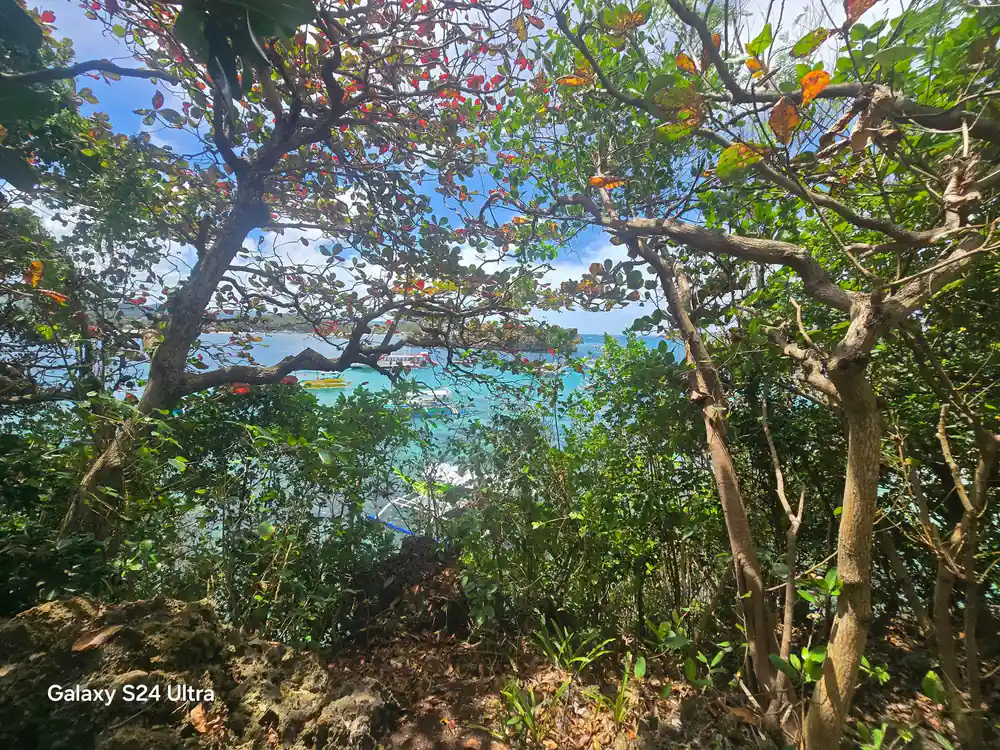
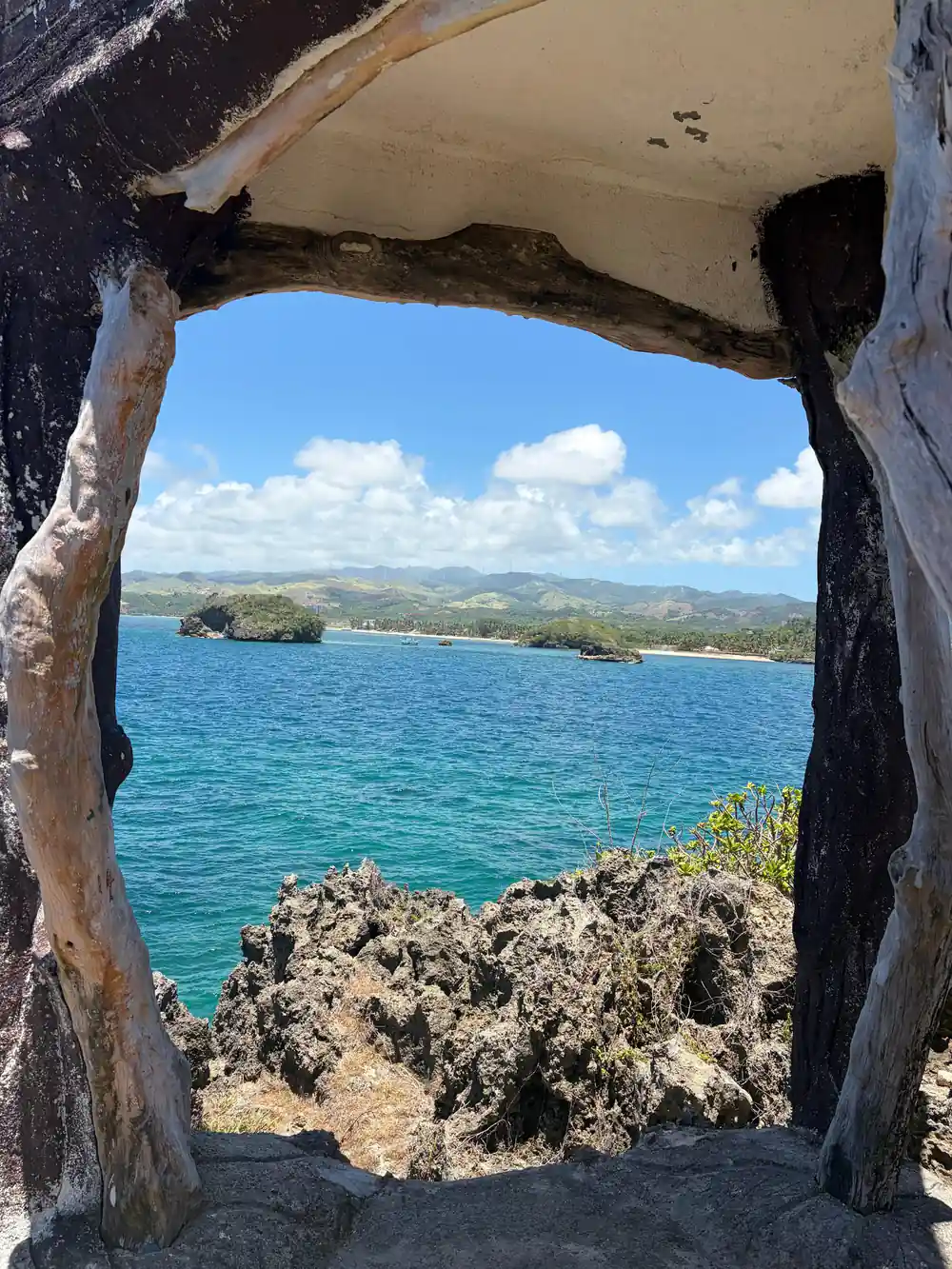
The opposite of Puka in almost every respect. A small cove enclosed by rock on both sides, reached down a set of steps cut through the cliff, with a strip of sand at the bottom and trees hanging over it.
It is a resort beach rather than a public stretch, which is what keeps it tidy and also what makes it feel more contained. The scale is intimate to the point of being small.
Because it is enclosed, the water inside is calm even when there is movement outside. That makes it the easier of the two beach stops for anybody who is not a confident swimmer. The contrast with Puka an hour earlier is what makes both stops worth having on the same itinerary.
Which suits sunbathing
Puka, on balance, if you want space and open sky. There is a great deal of beach and comparatively few people on it, so finding a stretch to yourself is straightforward.
Balinghai has considerably more shade, from the cliffs on both sides and the trees hanging over the sand, which in the middle of a Philippine afternoon is a genuine argument in its favour.
The honest answer is that neither stop lasts long enough for real sunbathing. The itinerary packs a good deal into five and a half hours; both beaches are visits rather than afternoons.
Swimming at each
At Puka the water is open and there is often some surf running in from the north, which makes it livelier and more fun for a strong swimmer and less comfortable for a nervous one.
At Balinghai the cove shelters everything inside it, so the water stays flat and clear and you can wade in from the sand without having to think about currents or surf at all.
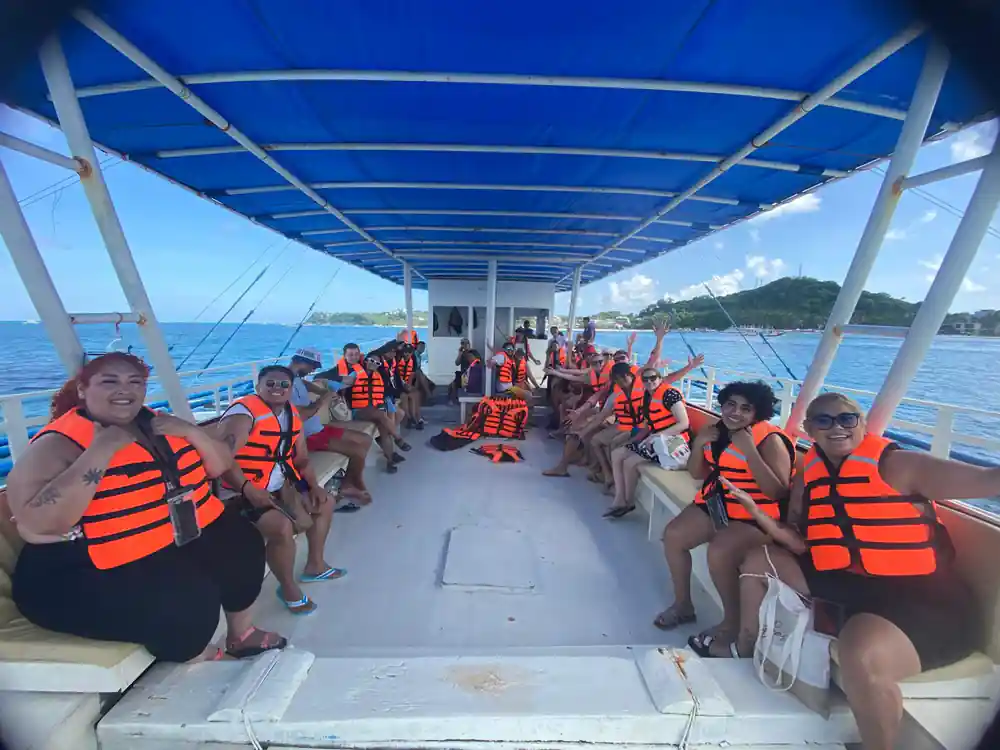
Life vests are provided on the tour and it is entirely normal to keep one on in the water at either stop. Nobody on a Philippine island hopping boat thinks twice about that. Life vests are provided and it is entirely normal to keep one on at either stop. Nobody on a Philippine boat gives it a second thought.
What to take ashore
As little as possible, and nothing you would mind losing. Both stops are short and both involve wading or steps, so a small dry bag with a phone and some cash covers it.
Footwear matters more at Balinghai because of the steps, which are cut into rock and can be wet. Puka you can walk barefoot, though the coarse shell sand is not as forgiving as it looks.
Water and sunscreen both appear on the operator's list of things to bring for the day as a whole, and these two beach stops are precisely where you are going to want them.
Book a day that stops at both
from US$19Reserve now & pay later
Things travellers ask
What is Puka Beach?
Why is it called Puka?
How does it differ from White Beach?
What is Balinghai?
Which is better for swimming?
Is there shade?
How long are the stops?
| Puka Beach | Balinghai | |
|---|---|---|
| Size | Long and wide | Small cove |
| Sand | Coarse, shell-flecked | Finer, sheltered |
| Access | Straight off the boat | Steps through rock |
| Water | Open, some surf | Calm and enclosed |
| Shade | Limited | Cliffs and trees |
| Crowds | Spread out | Feels busier |